
Hästi sobitatud plaadikandja hoiab sobivaid kaitseplaate kindlalt paigal ning võimaldab vabalt hingata ja liikuda. Alusta plaatide suurusest ja kandja istuvusest ning lisa seejärel vajalik varustus. Selles juhendis selgitame, mida valikul kontrollida ning kuidas erinevad Husar Duke, Husar Noble, Hexatac HPC² ja Direct Action SPITFIRE MK II.
Kaitseplaatide suurus ja asend
Üks levinud viga on plaadikandja kandmine liiga madalal. Ballistiliste plaatide ülesanne on kaitsta eeskätt südame ja kopsude piirkonda, mitte kõhtu. Õige kõrgus aitab ühendada vajaliku katvuse liikumisvabadusega.
- Eesmine plaat: selle ülaserv paigutatakse rinnaku ülaserva sälgu juurde, rangluude vahele. Liiga madal asend vähendab ülemise rindkere kaitset; liiga kõrge asend võib suruda kaelale ja segada relva õlga võtmist.
- Tagumine plaat: paiguta see ülaselja keskele ja eesmise plaadiga ligikaudu samale kõrgusele. Lähtu kandja ja plaadi tootja sobitusjuhendist: õige asend sõltub plaadi suurusest ning kehaehitusest.
- Keskjoon: kandja peab paiknema ka külgsuunas keha keskel. Kõrvale nihkunud plaat vähendab kavandatud katvust ja võib muuta varustuse tasakaalu.
Milline plaadikandja valida: Husar, Hexatac või Direct Action?
Hea lähtekoht on kandja, mis sobib sinu kaitseplaatide, kehaehituse ja vajaliku varustusega. ESTTACi valikus leidub nii lihtsaid kandjaid, sisseehitatud organiseerimisvõimalustega mudeleid kui ka vahetatavatele paneelidele üles ehitatud lahendusi. Järgnev võrdlus lähtub toodete omadustest: ükski mudel ei pruugi kõigile ühtmoodi sobida.
Husar Duke: lihtne ja õhuke alus
Husar Duke on tagasihoidliku ehitusega Cordura 500D IRR materjalist kandja, millel on Swift Clip kinnitused sobivatele esipaneelidele. Seda tasub kaaluda, kui soovid hoida komplekti võimalikult õhukesena. Arvestada tuleb sellega, et polsterdus ja hoiuruum sõltuvad valitud lisatarvikutest: kerge kandja ei tähenda automaatselt kerget täisvarustuses komplekti.
Husar Noble: sisseehitatud organiseerimisvõimalused
Husar Noble pakub elastsete hoidikutega tarvikupaneeli, tagapaneeli lukke ja võimalust kinnitada sobivaid mugavuspatju. See on sobiv lähtekoht, kui soovid, et kandjal endal oleks rohkem võimalusi pisivarustuse korrastamiseks. Lisapaneelid ja polsterdus kasvatavad siiski komplekti kaalu, mahtu ning hinda, mistõttu tasub võrrelda terviklahendusi.
Hexatac HPC²: reguleeritavad õlarihmad ja mitmekülgne esiosa
Hexatac HPC² ühendab eemaldatavad ja ümberpaigutatavad õlarihmad esiosa MOLLE- ning takjakinnitustega. Sisseehitatud tarvikutaskus on LVMS-kinnitussüsteem väiksemate esemete korrastamiseks. Mudelit tasub kaaluda, kui sulle on oluline õlarihmade paigutuse kohandamine ning võimalus valida otse kinnitatavate taskute ja eemaldatava esipaneeli vahel.
Enne ostu arvesta: baaskomplektis on eesmine ja tagumine plaaditasku, õlarihmad ning elastsed õlarihmaümbrised; külgvöö tuleb valida eraldi. HPC² Structural QR jäigad kiirkinnitusega külgvööd ja AYCE Modular Placardi esipaneel on eraldi lisavarustus. Eelarvet koostades arvesta kogu komplekti maksumusega. Eri tootjate tagapaneele kombineerides kontrolli nende suurust ja lukukinnituste sobivust.
Direct Action SPITFIRE MK II: lihtne alus oma komplekti loomiseks
Direct Action SPITFIRE MK II ühendab laminaadi, Cordura 500D ja softshell-materjali. Selle lihtsa ehitusega välispinnal on suur eesmine takjapaneel, ülalt avatav lukuga tasku ning SPITFIRE'i tagapaneelidele mõeldud seljaosa. See sobib lähtekohaks, kui eelistad tagasihoidlikku baaskomplekti ja tahad hoiuruumi oma vajaduste järgi lisada.
Enne ostu arvesta: minimalistlik külgvöö kuulub komplekti, esipaneel mitte. Teistsugused külgvööd, mugavuspadjad ja tagapaneelid ostetakse eraldi. Kui eelistad kiirkinnitust, tasub vaadata SPITFIRE MK II Rapid Accessi külgvööd. Kandja suurus vali oma kaitseplaatide, mitte tavapärase rõivasuuruse järgi.
Enne tellimist kontrolli: plaatide kõrgust, laiust, lõiget ja paksust; külgvöö suurust; esipaneeli kinnitusi ning komplekti kuuluvat varustust. Plaadikandja ise ei anna ballistilist kaitset. Kui sul on plaadid või lisatarvikud juba olemas, saada ESTTACile nende mudelinimed ja mõõdud, et saaksime enne ostu ühilduvuse üle kontrollida.

Tootefotodel on näidiskomplektid. Taskud, kaitseplaadid ja muud lisatarvikud võivad olla müügil eraldi; kontrolli valitud toote komplektsust.
Õige istuvus
Plaadikandja peab järgima rindkere kuju. See peaks istuma piisavalt tihedalt, et joostes mitte hüpelda, kuid jätma ruumi sügavalt hingamiseks. Liikumisel nihkuv kandja võib hõõruda, muuta koorma tasakaalu ja suurendada väsimust.
Kui plaadid on sees, reguleeri esmalt õlarihmadega kõrgus. Seejärel pinguta külgvöö ehk cummerbund, et kandja püsiks torso vastas. Kui kandja hüppamisel või külgsuunas liikudes nihkub, on see liiga lõtv. Kui sügavalt sisse hingata ei saa, lõdvenda külgvööd. Enamik tänapäevaseid plaadikandjaid ja nende tarvikuid on modulaarsed: ka külgvöö tagumiste kinnituskohtade reguleerimine aitab leida sobiva pingutuse.
Koormuse jaotus ja taskute paigutus
Kui kandja istub õigesti, paiguta varustus nii, et kätele jääks tööruumi. Hoia esiosa võimalikult õhuke, et käed saaksid vabalt liikuda ja lamamisasend ei muutuks tarbetult kõrgeks.

Laskemoon ja salved
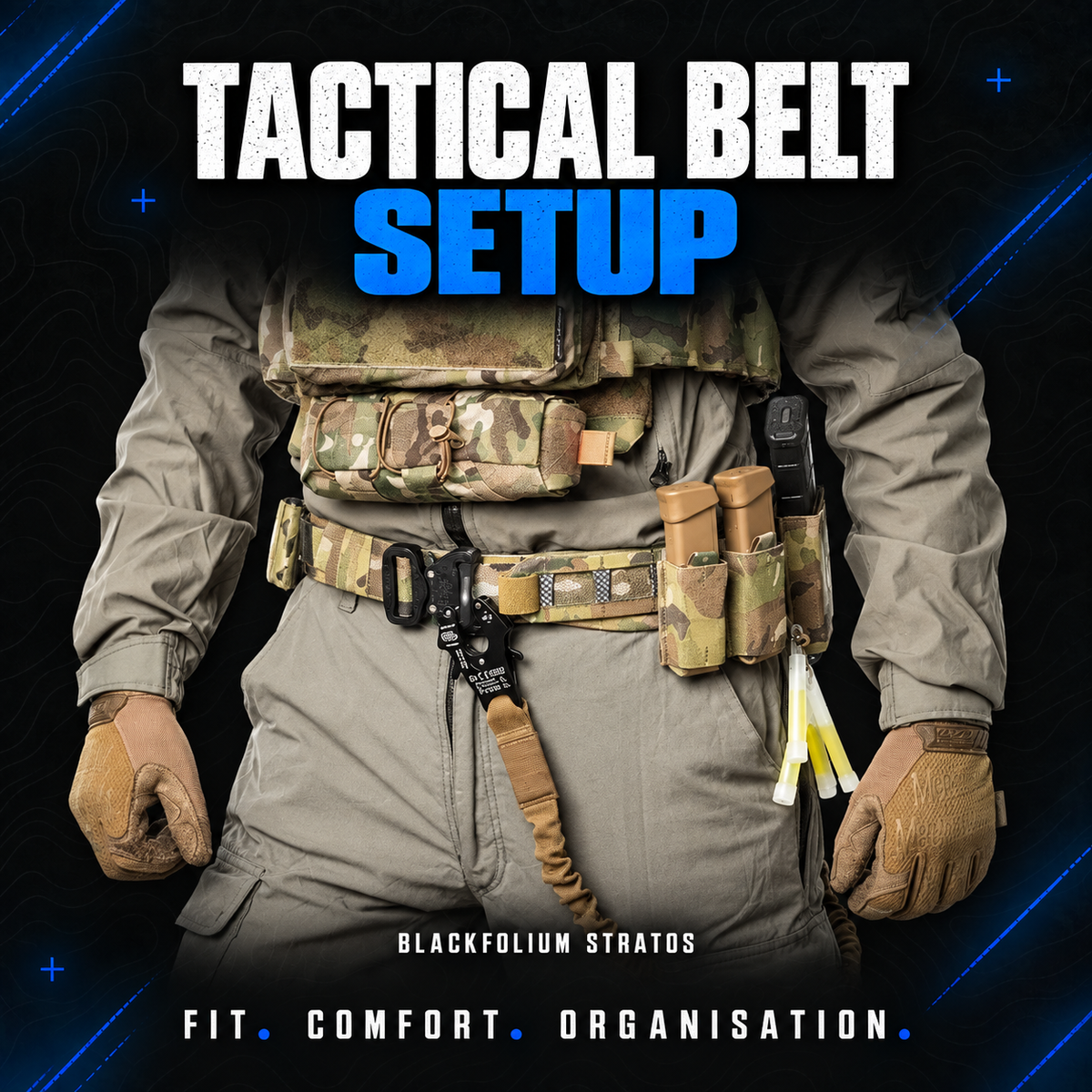
Paiguta peamised salved keskele, mõlema käe ulatusse. Husar Hybrid Rifle Front Flap võimaldab salvesid kindlas asendis hoida ilma esiosa liigselt paksuks muutmata. Eemaldatava esipaneeli kasutamisel saab kandja ja sisutasku vahele lisada Panneltac Blade Platformi, mis annab väikestele tööriistadele või noale täiendavaid kinnituskohti.
Esmaabivarustus ja IFAK
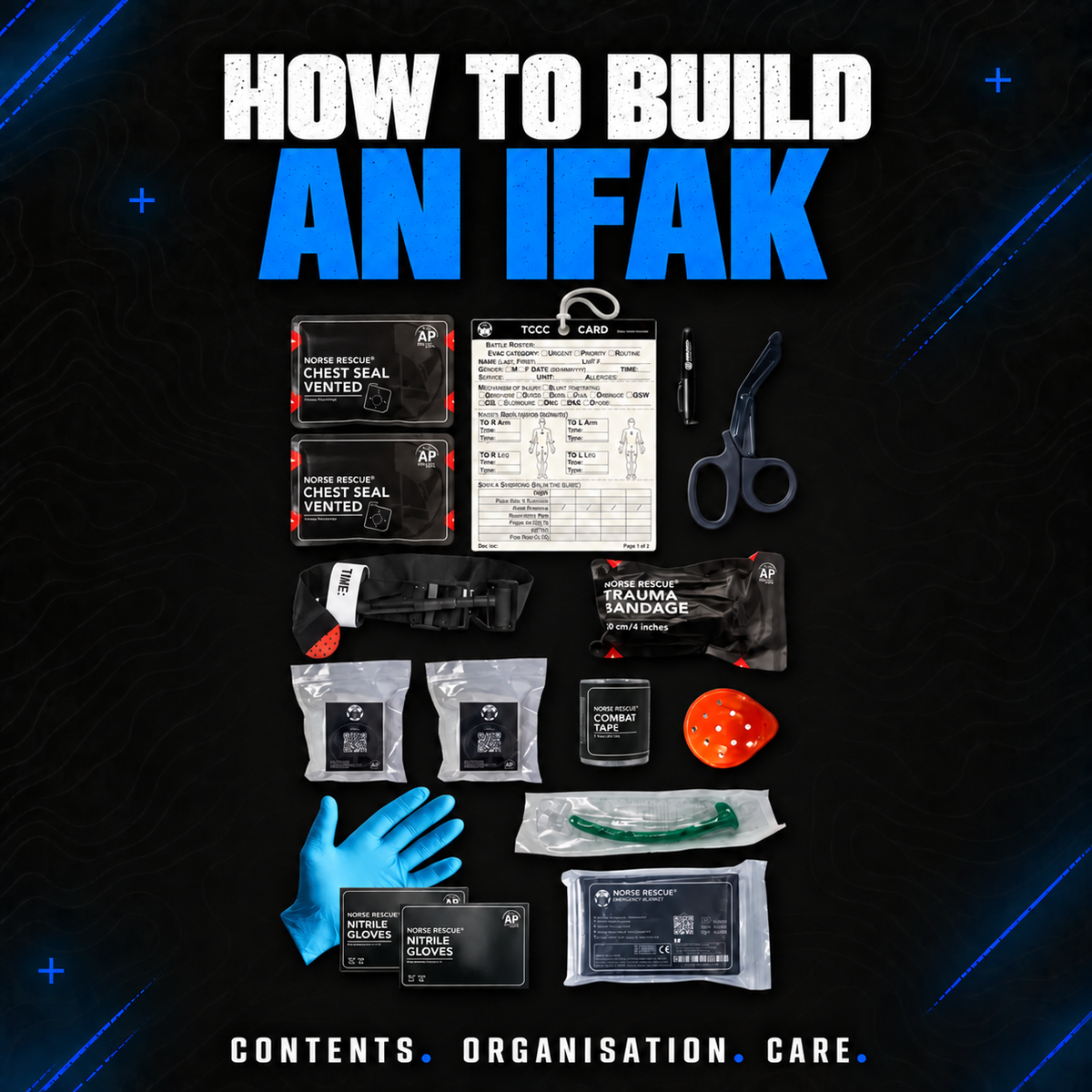
Esmaabivarustus peab olema kättesaadav mõlema käega. Blackfolium RIFAK Horizontal võimaldab kinnitamist kandja taha või alla, jättes esiosa vabamaks. Olulistest esmaabivahenditest saad lähemalt lugeda meie esmareageerija taktikalise esmaabivarustuse juhendist.
Kindad, kaardid ja muud tarvikud
Väldi taskute lisamist ainult sellepärast, et vaba MOLLE-pinda veel leidub. Kui vajad ruumi kinnastele, kaartidele või väikesele elektroonikale, kasutab Helikon Guardian Dangler Pouch eesmise plaadi alla jäävat ala. Nii püsib lisaraskus keha keskjoone lähedal ja madalamal, kuid tasku võib mõjutada liikumist või istumismugavust.
Kohanda seadistus ülesande järgi
Varustuse hulk sõltub keskkonnast ja ülesandest. Lihtsama komplekti vajadused erinevad pikema teenistusülesande omadest, kus sidevahendite, joogivee ja tööriistade jaoks võib vaja minna rohkem kotte ja taskuid.
Kontrolli seadistuse sobivust tühjaks laetud relvaga harjutades ning põhirelva ja püstoli vahel üle minnes. Veendu, et kandja ei takerduks vöö ega kabuuri külge. Kontrolli kogu komplekti sobivust, mitte ainult üksikuid osi. Toote saadavuse ja sinu asukohta tarnimise võimalused leiad poest.
Pane kokku enda vajadustele sobiv komplekt
Tutvu ballistilise kaitsevarustuse ja plaadikandjate valikuga. Eesti kaitseväe, politsei, vanglateenistuse ja päästeteenistuse töötajatele pakume 10% soodustust. Küsi klienditoelt sooduskoodi või tule meie esindusse sobivat varustust proovima.