
A useful tactical belt keeps necessary equipment accessible without adding avoidable weight or pressure points. Start with the items you actually need and assess the complete setup with your clothing, seat belt and other equipment. The arrangements below are examples, not a universal layout.
Efficiency in the field starts with a rigid foundation and concludes with the logical placement of your secondary weapon system and medical essentials.
The Foundation: Choosing Your Belt System
Your belt must be rigid enough to support the weight of a loaded holster and magazines without sagging or twisting. A floppy belt forces you to fight your gear during a draw, adding unnecessary friction to your movement. Most modern professional setups utilize a two-belt system consisting of an inner Velcro belt that threads through your trouser loops and an outer load-bearing belt that attaches securely over it.
The Blackfolium STRATOS Belt is a prime example of this architecture, offering a lightweight yet incredibly stiff platform that remains stable during dynamic movement. If you require a more discreet setup that transitions between everyday carry and light range work, the Kore Essentials Tactical Nylon EDC Gun Belt provides a capable alternative without the bulk of a full battle belt. Selecting the right base is the most critical step in building a reliable tactical belt and pouch system that survives hard use.

Dominant Side: The Holster System
The holster serves as the centerpiece of your belt and should generally be positioned at the 3 o’clock position for right-handed shooters or 9 o’clock for left-handed shooters. While entry-level options like those from Bravo Concealment work for basic range needs, professional duty demands higher retention and durability.
Safariland offers duty holsters with different locking systems and ratings. Choose the exact configuration for your firearm and requirements. To increase the versatility of your configuration, you can integrate the Safariland Quick Locking System (QLS) Kit. This allows you to swap different firearms or holster bodies onto the same belt platform in seconds without tools.
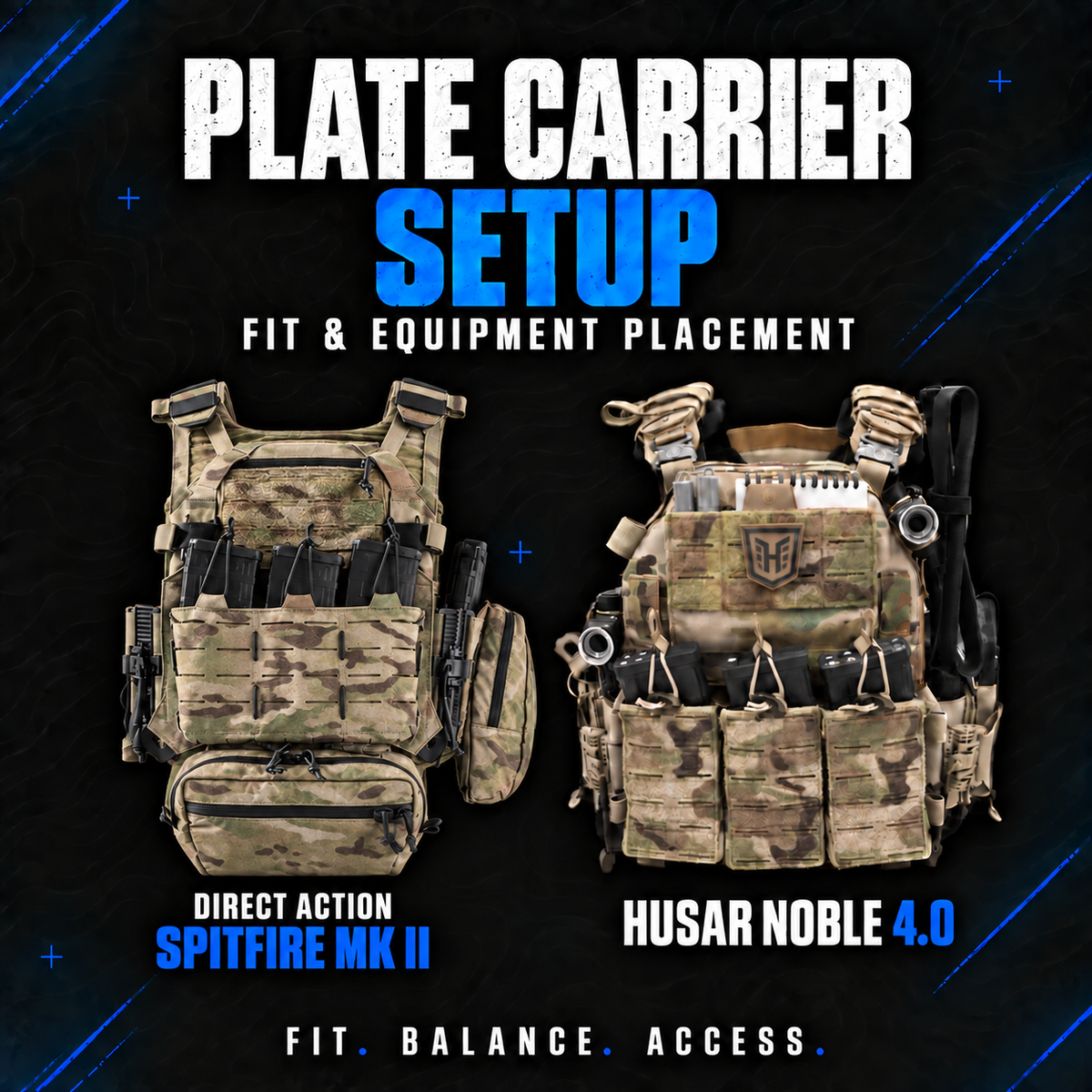
A plate carrier can affect holster clearance. A mounting option such as the Panneltac Holster Drop Mount (HDM-1) changes the height, but a lower position is not automatically more comfortable. Check the complete combination for interference and follow the manufacturers’ compatibility guidance.
Non-Dominant Side: Magazine Management
Magazines belong on your support side to allow for "work space" reloads while keeping your dominant hand on the firearm. Check that the chosen position works with the rest of your equipment.
-
Pistol Magazines: Position these at the 11 o’clock or 1 o’clock position depending on your handedness. The Blackfolium HYBRID Pistol Magazine Pouch keeps a slim profile while ensuring reliable retention. You should mount them with the bullets facing toward your belt buckle to ensure the most natural ergonomic grip during a reload.
- Rifle Magazines: Position these slightly behind the pistol pouches. A single rifle pouch is usually sufficient for a belt setup, acting as an emergency "speed reload" source if your primary carrier is empty.
- Dump Pouch: A Direct Action Dump Pouch should be placed at the 7 or 8 o’clock position. It serves as a catch-all for empty magazines, evidence, or administrative items. Choose a model that can be stowed flat when not in use to avoid snagging on brush or obstacles.
You can find a variety of specialized holsters and magazine pouches to fit your specific weapon platforms in the ESTTAC collection.
The Rear: Medical and Life-Saving Gear
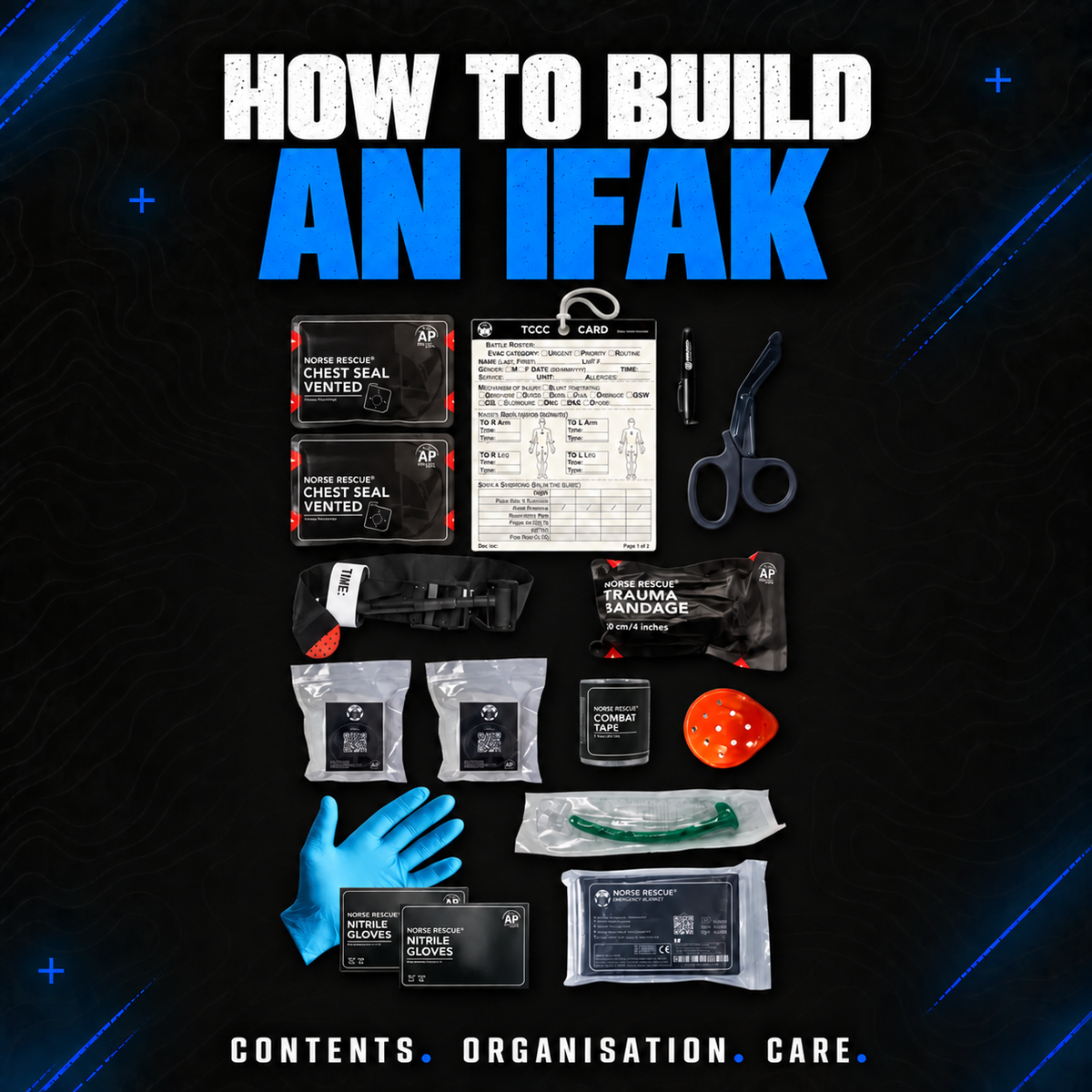
An IFAK can be carried on the belt where space and access allow. A rear position is one option, but it can interfere with a seat or backpack. Check access with either hand and choose the position around the complete equipment setup.
The Direct Action MED Pouch Horizontal MK III is designed for this exact purpose, featuring an internal kit that can be pulled out quickly from either side. For a more streamlined configuration, the Panneltac Horizontal TQ Belt Sleeve allows you to mount a tourniquet directly to the belt, keeping it accessible without consuming valuable MOLLE space. For more information on configuring your medical kit, consult our guide on tactical medical gear for first responders.

Testing and Optimization
A common objection to a fully loaded battle belt is the perceived bulk. However, a well-configured belt actually lightens the load on your shoulders and back by shifting the center of gravity to your hips. Balanced weight distribution may improve comfort during long shifts or training.
Once your gear is mounted, you must test the configuration in motion. Run, kneel, and go prone to ensure nothing shifts or prevents you from moving comfortably. If you find your gear is digging into your hips, consider adding padding or adjusting the spacing between your bags and pouches.
Members of the Estonian Defence Forces, Police, Prison Service, and Rescue Service are eligible for a 10% discount on all mission-ready equipment. Contact our support team to receive your code and build a professional belt setup that performs when it matters most.
Build Your Tactical Belt Setup Today